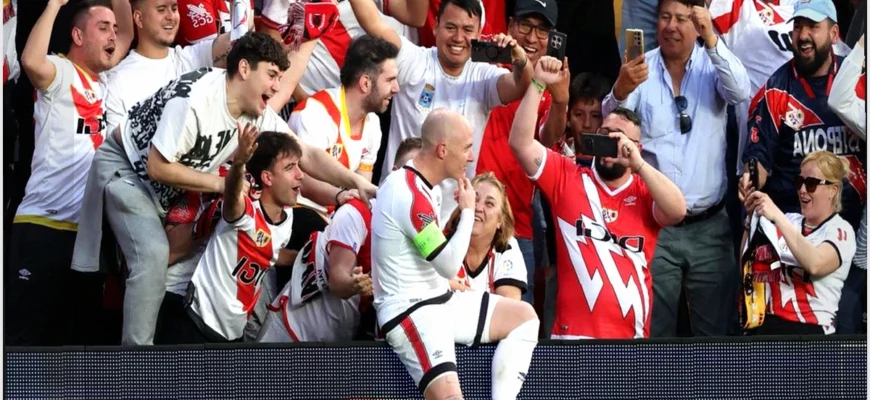
El estilo de juego del Rayo Vallecano, a menudo descrito como “retro”, se ha convertido en una característica distintiva del equipo. Más allá de las tendencias pasajeras del fútbol contemporáneo, el conjunto madrileño ha mantenido a lo largo del tiempo una identidad futbolística particular. Este enfoque, que algunos podrían considerar anacrónico, se manifiesta en su propuesta valiente y a menudo poco convencional sobre el terreno de juego.
José Luis Hurtado, en su análisis desde “El borde del área”, profundiza en cómo esta filosofía de juego, con sus raíces firmemente plantadas en un pasado futbolístico, continúa resonando en la actualidad. La capacidad del Rayo para aferrarse a su esencia, sin sucumbir a la uniformidad táctica que a veces domina el deporte rey, es un testimonio de su carácter y de la visión de quienes dirigen y representan al club.
Este estilo no es meramente una cuestión de nostalgia, sino una elección consciente que define la forma en que el Rayo Vallecano compite. Implica una apuesta por un fútbol más directo, por la garra y por una conexión especial con su afición, que aprecian esta autenticidad. En un mundo del fútbol cada vez más globalizado y estandarizado, la persistencia de este espíritu “retro” del Rayo Vallecano lo convierte en un caso de estudio fascinante y, para muchos, un soplo de aire fresco.
The Rayo Vallecano: A Retro Style That Endures
The playing style of Rayo Vallecano, often described as “retro,” has become a distinctive characteristic of the team. Beyond the fleeting trends of contemporary football, the Madrid-based club has maintained a particular footballing identity over time. This approach, which some might consider anachronistic, is manifested in their brave and often unconventional proposition on the pitch.
José Luis Hurtado, in his analysis from “El borde del área” (The Edge of the Box), delves into how this playing philosophy, with its roots firmly planted in football’s past, continues to resonate today. Rayo’s ability to hold onto its essence, without succumbing to the tactical uniformity that sometimes dominates the king of sports, is a testament to its character and the vision of those who manage and represent the club.
This style is not merely a matter of nostalgia but a conscious choice that defines how Rayo Vallecano competes. It involves a commitment to more direct football, to grit, and to a special connection with their fans, who appreciate this authenticity. In an increasingly globalized and standardized world of football, the persistence of this “retro” spirit of Rayo Vallecano makes it a fascinating case study and, for many, a breath of fresh air.